Have you ever spent hours by the water? The sun sets. Your bait bucket remains full. Still, no bites come. Many new anglers face this challenge. They feel discouraged quickly. Yet, fishing success is within reach. It often requires simple adjustments. This article builds on the valuable fishing tips from the video above. We will explore ten essential strategies. These will improve your catch rate. They will also make your fishing trips more enjoyable. Get ready to cast with confidence.
Discovering Prime Fishing Locations
Unlocking Fishing Spots with Digital Maps
Finding good fishing spots is crucial. It can feel like a secret art. Fortunately, modern tools simplify this process. Google Maps and Google Earth are powerful allies. They act as your digital reconnaissance team. Begin by scanning for bodies of water. Look for ponds, creeks, and lakes. Rivers often hide productive stretches.
Furthermore, satellite views reveal submerged structures. These include weed beds or fallen trees. Fish often congregate near these features. They provide cover and food sources. Use street view for access points. Identify public parking or trails. This digital scouting saves valuable time. It guides you to promising areas.
Protecting Your Fishing Line
Preventing Line Damage and Breakage
A damaged fishing line means lost fish. This is a common beginner error. Many hook their lures to the rod’s eyelet. This creates tiny abrasions. Think of it like a small file. The line rubs against these rough spots. Under pressure, the line can easily snap. This often happens when fighting a fish.
Consequently, avoid eyelets for lure storage. Instead, use the rod’s hook keeper. Most modern rods have this small hook. It is specifically designed for lures. Alternatively, hook the lure to an eyelet’s support beam. This protects your critical line. It ensures your line remains strong.
Choosing the Right Fishing Reel
Open-Faced vs. Closed-Faced Reels
Reel choice significantly impacts performance. Beginners often favor closed-faced reels. They appear simpler to operate. However, open-faced reels offer distinct advantages. They generally last longer. They also allow for much longer casts. Their design promotes durability.
Moreover, open-faced reels dry quickly. Water drains easily from the exposed spool. Closed-faced reels trap moisture and grit. This accelerates wear and tear. It shortens the reel’s lifespan. Investing in an open-faced reel is a wise decision. It’s like choosing a sturdy ship for rough seas. This ensures greater longevity and better fishing experiences.
Smart Gear Acquisition
Maximizing Value on Fishing Equipment
Quality fishing gear does not require a fortune. Many anglers overspend unnecessarily. The video highlights several affordable finds. For instance, 500 trout and panfish hooks cost just $5. This breaks down to about $1 per 100 hooks. Large catfish hooks were 50 for $12. Compare this to $1 per hook at big retailers. Online marketplaces like Amazon and eBay offer incredible savings.
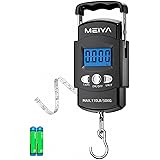
Furthermore, a precise digital scale cost only $2.50. This scale measures up to 50 pounds. Shipping took about a month from China. Yet, the value was undeniable. Even rod and reel combos can be inexpensive. A Daiwa Samurai rod and reel cost $15 on sale. Look for sales at sporting goods stores. Excellent gear can be very budget-friendly. It is about smart shopping, not huge spending.
Efficient Tackle Box Organization
Simple Hacks for a Tidy Tackle Box
A disorganized tackle box causes frustration. Finding specific hooks or swivels is hard. Small items often get lost. The video suggests a clever hack. Use simple clothes pins. These everyday items keep small tackle tidy. Just open the clothes pin. Thread on your hooks or swivels. Close the pin securely.
This method prevents tangles. It makes items easily accessible. Think of clothes pins as tiny tackle managers. They keep your small essentials together. This quick trick saves time on the water. It makes your fishing experience smoother. A well-organized tackle box is a joy to use.
Proper Fish Handling with Stringers
Ensuring Freshness and Fish Survival
Keeping your catch fresh is important. Many new anglers misuse stringers. They string fish through the gills. This injures the fish severely. Consequently, the fish dies much faster. Its meat quality deteriorates quickly. A better approach ensures longer survival. This means fresher fish for dinner.
Always string fish through the bottom jaw. This creates a puncture wound. However, it preserves vital gill function. The fish can still breathe properly. Chain stringers are convenient for this. However, avoid them for fish over 3-4 pounds. Larger fish can bend the chain. Robust rope stringers are better for bigger catches. Prioritize humane handling for optimal freshness.
Timing Your Fishing Trips
Optimizing for Species-Specific Bite Windows
Fishing at the right time is critical. Many anglers fish at inconvenient times. They often report poor luck. Meanwhile, others enjoy great success. This difference often comes down to timing. Fish activity varies throughout the day. It depends on light, temperature, and feeding habits.
Generally, dawn and dusk are prime times. For example, white bass often bite best then. Catfish frequently feed at night. They move into shallower waters. Beach fishing in Florida proved this point. The angler caught nothing all day. Then, at dawn, fish bit constantly. Research your target species’ habits. Experiment with different times of day. This significantly boosts your chances.
The Power of Bait Variety
Never Leave Home with Just One Bait
Bringing diverse baits is a game-changer. Relying on one bait limits your success. Fish preferences change constantly. One day they like worms. The next, they prefer minnows. Think of it like a diverse restaurant menu. You offer many options. Therefore, more customers will find something they like.
For catfish, bring many options. This includes worms, dough bait, and crawdads. Minnows, bluegill, and cut shad also work. Bass fishing benefits from variety too. Different lures and live baits are key. Trout also show specific preferences. Sometimes only one bait works. Therefore, a wide selection increases your odds greatly. It adapts to the fish’s mood.
Essential Tackle Box Tool
The Versatility of Nail Clippers
A small tool can make a big difference. Nail clippers are surprisingly useful. They are perfect for cutting fishing line. Many use scissors, but they have drawbacks. Scissors are often bulky. They are also easy to lose. Furthermore, they can be more dangerous. Nail clippers are compact and safe.
Consider scattering several in your tackle box. Keep one in each pocket. You will always have a line-cutting tool. They take up minimal space. Their sharp blades cut line cleanly. For any angler, nail clippers are a must-have. They are a simple, effective solution.
Downsizing for Better Hooksets
Matching Bait and Hook Size to the Fish
Losing bait frustrates many anglers. Your bait keeps disappearing. Yet, you catch no fish. This often happens with oversized bait or hooks. Beginners sometimes use large nightcrawlers. They think it will attract big bluegill. However, large bait is hard for small fish to eat. Fish can easily strip it off. It is like offering a whole pizza to a mouse.
Therefore, downsize your bait and hook. Use smaller pieces of bait. Select a smaller hook size. This makes it easier for fish to take. It ensures a better hookset. Continuously adjust your setup. If bait is stripped, go smaller. This tactical shift will significantly improve your catch rates. It leads to more successful fishing tips for every trip.
Cast Your Questions: A Beginner Angler’s Q&A
How can I find good fishing spots as a beginner?
You can use digital maps like Google Maps or Google Earth to scan for bodies of water and look for submerged structures where fish might hide.
How can I prevent my fishing line from getting damaged?
Avoid hooking your lures to the rod’s eyelets; instead, use the rod’s dedicated hook keeper or the eyelet’s support beam.
What type of fishing reel is generally better for beginners?
Open-faced reels are often recommended for beginners because they tend to last longer, allow for longer casts, and dry quickly.
What’s a simple way to organize small items in my tackle box?
You can use everyday clothes pins to keep small hooks, swivels, and other tackle tidy and prevent them from getting tangled.
What should I do if fish are taking my bait but I’m not catching them?
Try downsizing your bait and hook size. Smaller fish might be able to eat oversized bait without getting hooked, so a smaller setup can lead to more successful catches.