Millions of Americans find solace and excitement in fishing annually, highlighting its enduring appeal as an outdoor activity for all ages. As explored in the video above, embarking on a fishing journey does not require extensive prior knowledge or a huge investment in specialized equipment. Indeed, the joy of a successful day on the water stems from preparation and a willingness to engage with nature. This comprehensive guide expands upon the essentials for those keen on getting started fishing, ensuring your initial foray into angling is both productive and enjoyable.
Understanding the Allure of Getting Started Fishing
Fishing offers much more than simply the thrill of catching a fish; it provides a unique opportunity to connect with the natural world. This recreational pursuit fosters patience, develops observational skills, and creates cherished memories with friends and family. Furthermore, engaging in outdoor activities like fishing can significantly reduce stress and improve overall well-being. Imagine spending a tranquil afternoon by the water, away from daily distractions, focusing solely on the subtle tug of a line.
The accessibility of fishing contributes significantly to its popularity among diverse age groups and skill levels. Whether you are an adult seeking a new hobby or a parent introducing children to the outdoors, fishing presents an ideal option. Its universal appeal truly makes getting started fishing an inviting prospect for anyone.
Selecting Your Initial Fishing Destination
Your first step towards a successful fishing trip involves identifying an accessible and productive location. Often, local lakes, ponds, or even slow-moving rivers offer excellent opportunities for beginner anglers. These calmer waters typically feature species that are eager to bite, building confidence for new fishermen. Consequently, researching your local options becomes an important preliminary task.
Upon identifying potential spots, investigate the types of fish inhabiting these waters. Many urban and suburban ponds are stocked with panfish, such as bluegill or crappie, which are ideal targets for beginners. These smaller, abundant fish are relatively easy to catch, making your initial experiences both fun and rewarding. Imagine finding a local pond teeming with energetic panfish, just waiting for your hook.
Essential Gear for Beginner Anglers
Gathering the right equipment is crucial for getting started fishing successfully, yet it doesn’t necessitate breaking the bank. Your local tackle shop or sporting goods store will stock all the necessary items at various price points. Prioritizing comfort and functionality over expensive, specialized gear proves most effective for newcomers.
Choosing the Right Rod and Reel Combination
A comfortable and appropriately sized rod and reel are fundamental to your fishing setup. For younger anglers, a pre-assembled rod-reel combination often provides the best value and ease of use. These kits are specifically designed to be user-friendly, allowing children to focus on the fishing experience.
Adult beginners will find a spinning rod and reel to be the most versatile and forgiving option. Spinning reels are remarkably easy to cast, even for novices, and handle a wide range of fish sizes effectively. Crucially, select a rod that feels balanced and light enough to hold comfortably with one hand, ensuring fatigue does not prematurely end your fishing adventure. Furthermore, a rod between 5.5 and 7 feet in length generally offers good control and casting distance for most beginner scenarios.
Selecting Appropriate Fishing Line
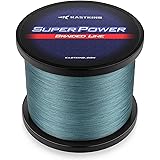
The fishing line connects your rod to your hook and is therefore a vital component of your tackle. For pursuing small panfish, a monofilament line with an 8-pound test strength or less is perfectly adequate. This strength rating refers to the maximum weight the line can theoretically hold before breaking. Lighter lines are less visible to fish and allow for more natural bait presentation. Imagine how easily a lighter line disappears in the water, fooling even the wariest fish.
When spooling your reel, ensure the line is wound evenly and securely. Incorrectly spooled line can lead to frustrating tangles and diminished casting performance. Therefore, taking a moment to correctly set up your line prevents common beginner challenges.
Hooks, Weights, and Bobbers: Your Terminal Tackle
Terminal tackle refers to the components at the end of your fishing line, each playing a critical role in attracting and catching fish. A combo package containing various hooks and weights offers an economical starting point. If purchasing individually, opt for hook sizes between 6 and 10, which are ideally suited for the mouths of smaller fish. These sizes ensure a good hook set without harming the fish excessively.
Split shots are small, BB-sized weights that clip directly onto your fishing line, providing the necessary weight to cast your bait and sink it to the desired depth. They are incredibly easy to apply and adjust, making them perfect for beginner setups. Furthermore, a plastic or cork bobber acts as a visual indicator, signaling when a fish is nibbling or striking your bait. These bobbers clip effortlessly to your line and instantly alert you to any underwater activity. Imagine your bobber suddenly dipping below the surface, signaling a bite.
The Importance of Effective Bait
Choosing the right bait significantly increases your chances of success when getting started fishing. Live bait often proves most irresistible to fish due to its natural movement and scent. Earthworms, readily found in your backyard or purchased from tackle shops, are a universal favorite among many freshwater species. Utilizing readily available natural options can enhance the overall experience.
Alternatively, soft plastic worms are highly effective artificial lures that mimic the appearance and movement of live prey. These come in various colors and sizes, allowing you to experiment and discover what works best in your chosen fishing spot. Moreover, understanding how to rig and present these lures improves your chances of attracting a strike.
Essential Tools and Storage Solutions
Beyond the primary fishing gear, a few indispensable tools will enhance your safety and convenience. A pair of small clippers is essential for cleanly cutting fishing line, preventing frayed ends. Furthermore, a pair of pliers proves invaluable for safely removing hooks from a fish’s mouth, protecting both the angler and the fish. These tools are compact and easily carried, proving their worth on every trip.
While a dedicated tackle box provides organized storage for your gear, it is not strictly necessary for beginners. A simple 5-gallon bucket serves as an excellent, affordable alternative, capable of holding all your essentials. Moreover, a bucket conveniently doubles as a portable seat, offering a comfortable resting spot during long waits. Imagine the simplicity of carrying all your gear in one multipurpose bucket.
The Indispensable Fishing License
Before casting your line, obtaining a valid fishing license is an absolute requirement in most regions. This license ensures compliance with local regulations and contributes directly to conservation efforts, funding vital wildlife management programs. Consequently, purchasing a license is a responsible and necessary step for every angler. Imagine the positive impact of your license fees supporting healthy fish populations for future generations.
Licenses are typically available for purchase online, at local sporting goods stores, or at designated government agencies. Requirements and costs vary by state and residency status, so checking your local regulations beforehand is always advisable. This small administrative step ensures your fishing experience remains legal and ethical.
Beyond the Gear: A Positive Attitude
With all your gear assembled and your license secured, the final, most crucial ingredient for a successful fishing day is a positive and patient attitude. Fishing can sometimes test your resolve, but embracing the experience, regardless of the catch count, is paramount. Enjoy the outdoors, the company, and the peaceful moments by the water. Getting started fishing is truly an accessible and rewarding hobby for everyone.
Casting Your Questions, Catching Answers
Why is fishing a good activity to try?
Fishing is a popular outdoor activity that helps you connect with nature, reduce stress, and create memories with friends and family. It’s accessible and enjoyable for people of all ages and skill levels.
Where should a beginner go fishing?
Beginners should look for local lakes, ponds, or slow-moving rivers. These calmer waters often have fish like bluegill or crappie, which are easier to catch and great for building confidence.
What is the most important gear I need to start fishing?
You will need a comfortable rod and reel, ideally a spinning combo for adults, along with fishing line, hooks, weights, and a bobber. Don’t forget some effective bait, like earthworms.
Do I need a special license to go fishing?
Yes, in most places, you need a valid fishing license before you can cast your line. This license ensures you comply with local rules and helps support fish conservation efforts.