Are you searching for a unique edge in your bass fishing game, especially when traditional methods fall short? The video above introduces an innovative approach to fishing a floating worm, a technique honed over decades that many anglers might not have encountered. This article delves deeper into those strategies, providing comprehensive insights into selecting the right tackle, perfecting a distinctive rigging method, and executing dynamic retrieves that trigger aggressive strikes from wary bass. Mastering the trick worm can truly revolutionize your approach to targeting bass in diverse conditions.
Unlocking the Floating Worm Advantage for Aggressive Bass
Fishing a floating worm, often referred to as a trick worm, presents a compelling strategy for bass anglers seeking an effective, versatile presentation. This particular method excels when bass exhibit a subtle lethargy or a heightened territorial instinct. Understanding the optimal timing for this technique significantly enhances its overall effectiveness, leading to more consistent hookups.
Prime Time for Floating Worm Tactics
While the floating worm can produce strikes throughout much of the year, its prime window emerges immediately after the bass spawn. During these crucial weeks, often spanning a couple of weeks post-spawn, bass are frequently guarding fry and remain somewhat lethargic from the spawning process. A floating worm presented with an erratic action perfectly mimics an injured baitfish, triggering a potent predatory response. This instinctive reaction transcends simple hunger, exploiting the bass’s innate drive to eliminate perceived threats or easy meals.
Beyond this post-spawn sweet spot, the floating worm continues to shine throughout the entire summer and into the early fall. It can also be remarkably effective during the spring as water temperatures begin to rise. However, its efficacy diminishes in colder water, particularly when temperatures dip into the low 40s. The visual nature of this bait demands that fish actively see it, making it less productive in conditions where their metabolism slows or water clarity is compromised.
Precision Tackle for Optimal Floating Worm Performance
The success of the floating worm technique hinges not only on proper presentation but also on a meticulously chosen tackle setup. Every component, from the rod’s power to the line’s material, plays a crucial role in achieving the desired erratic action and ensuring positive hooksets. Anglers must consider how each piece of equipment contributes to the overall finesse and responsiveness required for this specialized approach.
Rod and Reel Specifications
For casting a floating worm with precision and authority, a medium power rod, typically around 6’8″ in length, equipped with a fast tip, is the ideal choice. This rod configuration provides the necessary backbone to manage larger bass, particularly when fishing around cover, while the fast tip ensures exceptional sensitivity and the quick action required for imparting erratic twitches. If utilizing spinning gear, a similar medium power rod with a fast tip, or even a medium-light option when employing lighter lines, proves highly effective. The reel speed, surprisingly, is not a paramount concern for this technique, as the retrieve focuses more on intermittent twitches rather than rapid winding. A baitcasting reel with a gear ratio between 6.1:1 and 7.5:1 offers a balanced blend of power and retrieval speed, though an angler’s existing reel, even a higher speed model, will certainly suffice without necessitating a new purchase.
The Critical Role of Fishing Line
Selecting the appropriate fishing line is paramount for optimizing the floating worm’s natural presentation. A 15-pound copolomer line is an excellent choice for baitcasting setups, especially when targeting bass in heavier cover. This line type offers a favorable compromise between strength and buoyancy, allowing the worm to sink slowly without being overly weighted. Unlike fluorocarbon, which is denser and causes baits to sink faster, copolomer maintains a more neutral buoyancy, preserving the lure’s intended erratic action near the surface. Braid, despite its strength, is generally avoided for this application due to its high visibility, which can easily spook fish, particularly in the clear water conditions where the floating worm often excels. For spinning gear, a lighter 6 to 8-pound copolomer line provides sufficient strength for open water scenarios like rocky banks and rip rap, maintaining the desired subtlety and natural movement of the lure.
The Rigging Revolution: Achieving Unmatched Erratic Action
The true genius behind this floating worm technique lies in its unique rigging method, specifically designed to maximize erratic, lifelike action. This unconventional approach to preparing and mounting the bait ensures it mimics an injured or dying forage fish with unparalleled realism, often provoking reaction strikes that other presentations might miss. Every step, from initial bait storage to the final hook presentation, contributes to this critical visual appeal.
Prepping Your Floating Worm for Success
The journey to an optimally performing floating worm begins even before it touches the water. Instead of storing baits perfectly straight in their original packaging, anglers are advised to keep them in smaller bags that encourage slight kinks and bends. This seemingly minor detail is crucial, as these subtle distortions in the worm’s body translate directly into an incredibly erratic and unpredictable action once submerged. A floating worm with natural kinks will dart, spin, and flutter with greater realism than a perfectly straight one, effectively portraying a distressed organism struggling in the water column.
The Swivel Leader Advantage
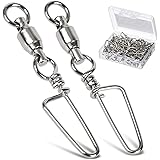
Incorporating a short, roughly 1-foot leader tied to a quality #7 ball bearing swivel before the hook is a foundational element of this advanced rigging technique. This small but significant addition drastically enhances the lure’s performance, particularly when paired with the unorthodox rigging method. The swivel’s primary function is to prevent line twist, a common nuisance with spinning gear, but it also liberates the floating worm to spin and move with uninhibited freedom. This freedom of movement allows the bait to achieve its full erratic potential, twirling and dancing in a manner that irresistibly attracts curious bass, making every twitch a spectacle of motion.
Masterful Hook Selection and Placement
The choice of hook and its precise placement are critical components of this rigging strategy. A 2/0 offset shank worm hook is preferred, specifically one where the hook point rests notably higher than the eye. This particular design facilitates the unique “Tex-posed” rigging style, which involves a specific entry and exit point for the hook, leaving a distinct kink in the bait. Instead of central hook placement, the hook point is inserted slightly underneath the worm’s head, then threaded an inch to an inch and a half down before exiting the body. This creates an upward curve in the worm’s head and leaves a significant portion of the bait’s body free, which enhances its erratic movement. To secure the hook immovably, a small piece of 40-pound monofilament line is pegged directly through the eye of the hook and the worm, preventing any unwanted sliding or movement during casts and retrieves. This meticulous “Tex-posed” setup, combined with the inherent kinks of the worm and the swivel, orchestrates a truly wild and unpredictable underwater dance that bass find difficult to ignore.
Knot Confidence: Secure Your Setup
The integrity of your fishing knot is a non-negotiable aspect of any successful fishing technique, and the floating worm is certainly no exception. A reliable knot ensures that all the meticulous rigging efforts do not go to waste when a powerful bass strikes. The uni-knot, proven effective over decades, offers exceptional strength and is relatively easy to tie, making it a favorite among experienced anglers. However, equally robust alternatives like the polymer knot or the San Diego Jam knot are also highly recommended. The most crucial factor is not necessarily the specific knot chosen, but rather the angler’s proficiency and confidence in tying it correctly and consistently. A well-tied knot is the silent guarantor of every connection, providing peace of mind and preventing catastrophic line failures.
Dynamic Retrieves: Triggering the Strike
Once the floating worm is perfectly rigged, the next crucial step involves mastering the retrieve techniques that coax bass into striking. The erratic nature of this bait demands a specific angler input, transforming a simple piece of plastic into a convincing imitation of vulnerable prey. Different retrieves cater to varying levels of bass aggression, offering a versatile toolkit for any fishing scenario. Each method leverages the lure’s unique action and the angler’s keen observation skills.
The Twitch-and-Pause Method
The foundational retrieve for the floating worm involves a subtle yet powerful twitch-and-pause rhythm. Begin with a gentle lob cast, especially with baitcasters, to avoid backlashes due to the leader length. Allow the worm to sink just below the surface on a slack line, then impart one sharp, aggressive twitch. This power twitch is essential for activating the lure’s erratic movement. Immediately after the twitch, allow the worm to rest and fall slowly on slack line. This momentary pause is critical, as it often prompts bass to strike a seemingly dying bait. The process is then repeated: twitch, pause, let it fall, twitch. The slack in the line is paramount, as it allows the bait to dart and spin unpredictably, much like an injured minnow struggling in the water. This retrieve works exceptionally well through emergent and submerged weeds, where the worm can slip through small pockets and holes, mirroring the movements of prey trying to escape cover.
Aggressive Continuous Twitch
When bass are actively feeding and exhibiting a higher level of aggression, a continuous twitch retrieve can be incredibly effective. Upon the lure hitting the water, immediately begin a rapid series of twitches, mimicking the high-energy, darting movements of a frantic baitfish. Much like fishing a jerk bait, this technique requires constant, short jerks of the rod tip, interspersed with just enough slack to allow the floating worm to shimmy, dance, and twist. The ball bearing swivel truly shines here, facilitating the bait’s wild gyrations and side-to-side movements. This non-stop action can elicit powerful reaction strikes from aggressive bass, who perceive the rapidly moving lure as a fleeing meal that must be ambushed quickly. Maintaining that brief slack between twitches ensures the lure achieves its maximum chaotic potential, making it irresistible to actively hunting fish.
Subsurface Seduction: The Slow Fall
For less aggressive bass, or when conditions call for a deeper presentation, the slow fall retrieve mimics a soft plastic stick bait. Cast the floating worm and allow it to sink slowly through the water column, penetrating deeper into weed pockets or along rocky structures. The unique rigging, with the worm’s inherent kinks and the slow sink rate of copolomer line, ensures a natural, undulating descent. After allowing it to fall, impart a gentle pop or two, lifting the worm slightly through the weeds or off the bottom, then let it settle back down. This method is particularly effective in clear water over rocks, where bass rely heavily on visual cues to locate prey. The subtle, methodical rise and fall of the worm can often trigger strikes from cautious bass that might ignore faster, more erratic presentations, allowing them to inspect the bait before committing.
Reading the Invisible: Detecting Slack Line Strikes
One of the more challenging aspects of fishing a floating worm on slack line is detecting subtle strikes, which often occur without the angler feeling a distinct “thump.” Instead of relying solely on feel, anglers must become adept at watching their fishing line for visual cues. A sudden “pop” or an inexplicable twitch of the line, or the line simply swimming off in an unnatural direction, often indicates a bass has taken the bait. Since the angler did not cause these movements, it signals that something on the other end of the line has. Vigilant observation of the line’s behavior is critical; any unexplained movement should be met with a decisive hookset. This attentiveness ensures that even the most timid strikes are translated into successful hookups, turning subtle visual nudges into landed bass.
Still Curious? Your Trick Worm Questions Answered
What is a ‘trick worm’ or ‘floating worm’ in bass fishing?
A trick worm, also known as a floating worm, is a type of soft plastic lure used to catch bass. It’s designed to mimic an injured baitfish with an erratic, lifelike action in the water.
When is the best time of year to fish with a trick worm?
The trick worm is most effective right after bass finish spawning (post-spawn) and throughout the summer and into early fall. It can also be good in the spring as water warms, but less effective in very cold water.
What kind of fishing rod and line should I use for a trick worm?
For best results, use a medium power fishing rod around 6’8″ long with a fast tip. A 15-pound copolomer line is recommended for baitcasting, or a lighter 6-8 pound copolomer for spinning gear.
How should I move the trick worm in the water to attract bass?
A common way is the ‘twitch-and-pause’ method: cast gently, let it sink a little on slack line, then give it a sharp twitch, and let it rest and fall again. This makes it dart and spin unpredictably, like an injured minnow.